

In a world that runs on consumer software, it’s easy to overlook the quiet revolution unfolding in embedded systems, particularly in the aerospace and defense verticals. As an engineer with over four decades in this field, I’ve witnessed this remarkable evolution firsthand. From early 8-bit microcontrollers to today’s sophisticated System-on-Chip designs, the journey of embedded systems has been nothing short of extraordinary. We have constantly pushed performance boundaries while operating under strict size, weight, and power constraints. Safety and reliability are paramount – a smartphone app glitch might be annoying, but a failure in an aircraft’s flight control system could be catastrophic. Moreover, aerospace and defense systems’ long lifecycles require support and upgrades for decades, presenting additional challenges.
While consumer applications grab headlines, embedded systems quietly power the most advanced aerospace and defense technologies, controlling flight systems, managing complex weapons, enabling secure communications, and driving sophisticated surveillance equipment.
Today, the landscape of embedded systems in aerospace and defense is rapidly evolving, shaped by technological advancements, changing industry demands, and new methodologies. In this article, I am sharing my thoughts on the advancements and their implications for aerospace and defense industries.
Advanced Chip Designs and FPGAs
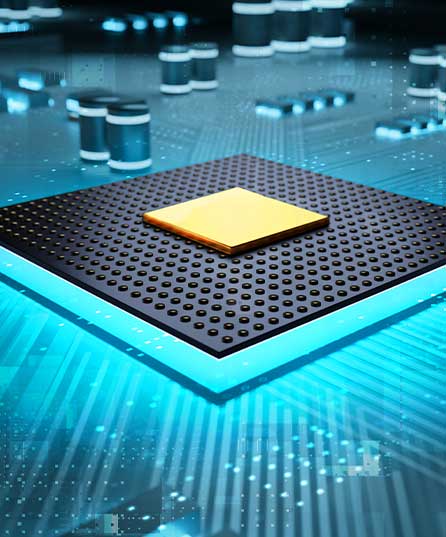
The integration of System on Chip (SoC) designs with Field-Programmable Gate Arrays (FPGAs) is revolutionizing embedded systems in aerospace and defense. These hybrid chips combine the flexibility of FPGAs with dedicated processor cores, enabling greater functionality within a single device. This advancement allows for more compact, power-efficient systems crucial for aerospace and defense applications.
FPGAs are particularly vital in space applications, supporting multiple functionalities like payload processing, telemetry, and command handling while adhering to strict power and space constraints. Their re-programmability allows for in-field updates, extending the lifespan of critical systems. This adaptability is essential in modern warfare scenarios, where electronic and cyber capabilities are constantly evolving.
AI and Machine Learning Integration
Artificial intelligence (AI) is expected to become increasingly prevalent in embedded systems for aerospace and defense. AI-driven modules will enhance system safety, monitor for faults, and support decision-making in avionics. The integration of AI algorithms into FPGAs is anticipated to enable compute-intensive tasks to be performed efficiently within the embedded system itself. This integration will be crucial for applications such as predictive maintenance, autonomous navigation, and real-time threat analysis in defense systems.
Swarm Drones and Autonomous Systems
The proliferation of swarm drones and autonomous systems is pushing the boundaries of embedded system design in defense applications. These systems require real-time processing, advanced sensor fusion, and robust communication protocols. Embedded solutions that handle complex algorithms for swarm coordination and autonomous decision-making, while maintaining strict size, weight, and power (SWaP) constraints, are revolutionizing search and rescue tactics, surveillance capabilities, and disaster response operations.
Edge Computing and IoT
The growth of IoT and sensor technologies in aerospace and defense is driving a need for more processing power at the edge. Embedded systems are evolving to handle more sensor data processing locally, reducing latency and bandwidth requirements. This shift allows for the deployment of more sensors, resulting in feature-rich products with enhanced safety measures. Edge computing solutions enable real-time data analysis and decision-making directly on embedded devices, critical for applications like battlefield management systems and satellite communications.
Cybersecurity in Embedded Systems
As embedded systems become more connected, cybersecurity has become a critical concern in aerospace and defense. Incorporating security features directly into hardware designs, leveraging the latest FPGA technologies that offer integrated cryptographic blocks and secure boot capabilities, is essential. This approach is crucial in protecting sensitive military communications, control systems, and critical infrastructure from increasingly sophisticated cyber threats.
Human-Machine Interface and Human Factors
The evolution of embedded systems is influencing how humans interact with aerospace and defense equipment. From digital displays in helicopters to complex control systems in aircraft, the human factors aspect of embedded system design is crucial. Creating intuitive interfaces that minimize the potential for human error in critical operations is vital in ensuring that complex systems can be operated effectively under high-stress conditions.
Safety and Certification
As embedded systems become more complex, ensuring their safety and reliability is paramount in aerospace and defense. Rigorous certification processes, including DO-178C for software and DO-254 for hardware, are essential. A comprehensive systems engineering approach that encompasses the entire lifecycle, from requirements definition to verification and validation, ensures that embedded solutions meet the highest safety standards.
MBSE Revolution in Aerospace and Defense
The U.S. government’s mandate for Model-Based Systems Engineering (MBSE) marks a significant shift in embedded systems design and development for the aerospace and defense sectors. This approach moves from document-centric methods to model-centric processes, offering improved communication across disciplines, enhanced traceability, reduced errors, and faster design iterations. MBSE methodologies streamline embedded systems development, creating more robust, reliable systems while reducing development time and costs.
Low-Code Embedded Software Development
The growing complexity of embedded systems has sparked interest in low-code development platforms within the aerospace and defense industries. These platforms accelerate development cycles, reduce entry barriers for software development, and enable rapid prototyping. While not suitable for all safety-critical systems, low-code solutions can be valuable for certain aspects of embedded software development, particularly in user interface design and non-critical system components.
The Ever-Widening Gap In Skilled Talent
The aerospace and defense industry faces a significant challenge: a scarcity of experienced engineers due to retirements, coupled with an influx of tech-savvy professionals who may lack deep industry knowledge. This situation presents both challenges and opportunities. The potential loss of institutional knowledge and gaps in understanding complex, legacy systems are balanced by fresh perspectives and a natural affinity for digital tools among newer engineers.
Quest Global, a leader in engineering services for aerospace and defense, has been pushing the envelope on embedded systems and bridging this skill gap. Our experience spans from the 386 processors to cutting-edge technologies, reflecting rapid advancements shaped by technological breakthroughs and changing industry demands. We are addressing the industry-wide challenge of bridging the generational gap and skills shortage through a four-pronged approach, working closely with and supplementing our clients’ workforce.
- Knowledge Transfer Programs: We implement structured mentoring and knowledge-sharing initiatives to help our clients preserve critical expertise within their organizations. This includes pairing seasoned Quest Global engineers with client teams to ensure valuable industry knowledge is retained and passed on.
- Continuous Learning Support:Our ongoing training programs, offered to both Quest Global and client personnel, cover cutting-edge technologies and foundational aerospace and defense concepts. This helps keep the entire workforce up-to-date with the latest industry developments.
- Collaborative Team Integration: We integrate our engineers into cross-generational teams within client organizations, blending experienced professionals with fresh talent. This approach encourages innovation while maintaining connections to proven practices, fostering a balanced workforce for our clients.
- Guided MBSE Adoption: We assist clients in implementing MBSE methodologies incrementally, providing expertise and support throughout the transition. This gradual approach allows time for adaptation and process refinement, ensuring a smooth transition for our clients’ teams.
Managing the Transition: Systems, Processes, and People
Successfully navigating the industry-wide shift in embedded systems for aerospace and defense requires a holistic approach addressing systems, processes, and people. Leaders in aerospace and defense verticals can consider implementing change management programs to tackle the challenges posed by emerging technologies and talent gaps.
Systems Level:
- Invest in robust MBSE tools and platforms, ensuring they align with long-term organizational goals
- Ensure interoperability between new and legacy systems to maintain operational continuity
- Implement rigorous version control and model management practices to safeguard critical information
- Develop a roadmap for gradual system upgrades to minimize disruption and manage costs effectively
Process Level:
- Develop clear guidelines for MBSE implementation tailored to specific organizational needs
- Establish metrics to measure the effectiveness of new processes and their impact on project outcomes
- Create feedback loops for continuous improvement, encouraging input from all levels of the organization
- Implement agile methodologies to enhance flexibility and responsiveness to changing requirements
People Level:
- Provide comprehensive training on MBSE tools and methodologies, with ongoing support and resources.
- Cultivate a culture of innovation and continuous learning, rewarding initiative and creative problem-solving
- Recognize both technical expertise and adaptability, balancing the need for specialized knowledge and versatility.
- Develop mentorship programs to facilitate knowledge transfer between experienced and newer team members.
Quest Global’s commitment to this comprehensive approach helps bridge the gap between traditional practices and the digital future, ensuring a smooth transition that leverages the best of both worlds.
The future of embedded systems in aerospace and defense is marked by increased integration, intelligence, and adaptability. Quest Global remains committed to pushing the boundaries of what’s possible, investing in expertise across the spectrum of embedded technologies. Our goal is to help clients develop the next generation of aerospace and defense systems – more capable, secure, and efficient than ever before, enabling new possibilities in both civilian and military applications. Through our focus on delivering high-quality, safe, and efficient embedded systems, we are playing a crucial role in shaping the future of the aerospace and defense industry.










Jodi Carr
Jodi Carr is the Director of Engineering at EXB Solutions, Inc., a subsidiary of Quest Global. With a comprehensive background in large-scale embedded systems for aerospace and telecom industries, Jodi excels in managing the entire lifecycle of software development programs. Known for exceptional communication and a results-driven approach, Jodi combines technical expertise with strong management and interpersonal skills. Her leadership at Quest Global is marked by a consistent drive for results, ensuring projects are delivered efficiently and effectively. Her previous experience was with Honeywell, General Dynamics C4 Systems, and Boeing. She holds a bachelor's in Mathematics from Binghamton University.
Frequently Asked Questions
The integration of System on Chip (SoC) designs with Field-Programmable Gate Arrays (FPGAs) is a game-changer for embedded systems in aerospace and defense. These hybrid chips deliver the flexibility of FPGAs combined with dedicated processor cores, enabling enhanced functionality within a single device. This results in more compact, power-efficient systems, which are crucial for aerospace applications constrained by size, weight, and power (SWaP) limitations. The re-programmability of FPGAs is particularly vital for space missions, allowing in-field updates that extend the lifespan of critical systems. This adaptability is essential for modern warfare, where electronic and cyber capabilities are evolving rapidly.
Swarm drones and autonomous systems are at the forefront of advancing embedded systems in defense. These systems demand real-time processing, advanced sensor fusion, and robust communication protocols. Embedded solutions must handle complex algorithms for swarm coordination and decision-making under strict SWaP constraints. This technological leap is revolutionizing defense strategies, enhancing search and rescue operations, surveillance capabilities, and disaster response. The ability to manage such systems effectively marks a significant evolution in defense technology.
With increased connectivity, cybersecurity has become a critical concern for embedded systems in aerospace and defense. To combat cyber threats, security features must be incorporated directly into hardware designs. Leveraging the latest FPGA technologies, which offer integrated cryptographic blocks and secure boot capabilities, is essential. This hardware-based security approach is vital for protecting sensitive military communications, control systems, and critical infrastructure from sophisticated cyber threats.
AI integration is significantly advancing embedded systems by enhancing system safety, fault monitoring, and decision-making processes in avionics. AI-driven modules integrated into FPGAs allow complex, compute-intensive tasks to be managed efficiently within the embedded system. This is crucial for applications such as predictive maintenance, autonomous navigation, and real-time threat analysis. By embedding AI, aerospace and defense systems are becoming more autonomous and capable of handling sophisticated tasks in real-time, providing a strategic advantage in both civilian and military operations.
The rise of IoT and sensor technologies in aerospace and defense necessitates enhanced processing power at the edge. Embedded systems are evolving to process more sensor data locally, reducing latency and bandwidth requirements. This shift supports real-time data analysis and decision-making directly on embedded devices, crucial for applications such as battlefield management and satellite communications. Edge computing enables the deployment of more sensors, resulting in products that are feature-rich with improved safety measures.