

The duality of MedTech product management
In the fast-paced MedTech industry, products are designed to serve critical healthcare functions, and as such, can remain in use for many years or even decades. This enduring nature stands in stark contrast to the rapid advancement of technology that is shortening product life cycles and bringing drastic enhancements in the medical technology field.
The intersection of legacy products and cutting-edge innovations presents a unique challenge for engineering leaders. On one hand, there is a constant push to innovate and stay ahead of the competition, leveraging the latest technologies and research to develop new products that meet the evolving needs of healthcare providers and patients. On the other hand, existing product lines in the market, which continue to generate stable revenue, require ongoing attention and resources to ensure their functionality, competitiveness, and compliance with regulations. Balancing these two critical areas of focus is no easy task. Allocating resources ineffectively can lead to stagnation in innovation or neglect of established products, both of which have significant consequences for a company’s growth and reputation.
Pivoting on sustenance engineering
The answer to this complex dilemma lies in sustenance engineering, a systematic approach that carefully manages the entire product lifecycle. It acknowledges the essential role that existing products play in a company’s portfolio while ensuring that resources are also devoted to innovation and advancement. Through sustenance engineering, MedTech companies can maintain the integrity and relevance of their current products while fostering an environment conducive to growth and technological advancement.
Sustenance engineering doesn’t involve radical changes but focuses on gradual improvements and
maintaining standard functionality.
Sustenance engineering includes the technical solutions applied to products as they mature and enter their usable service life. Key processes involved are:
- Managing obsolete components: Regular assessment to replace or update obsolete parts
- Design upgrades: Limited enhancements to remain competitive
- Regulatory compliance: Ensuring adherence to changing regulations
- Retrospective design fixes: Backward compatibility of design changes is a hallmark of sustenance
engineering
This process doesn’t involve radical changes but focuses on gradual improvements and maintaining standard functionality.
In an era where technology is reshaping the healthcare landscape at an unprecedented pace, sustenance engineering offers a pragmatic solution to navigate the tension between maintaining current product lines and pushing the boundaries of what’s possible in medical technology. It’s a framework that recognizes the multifaceted nature of the industry and empowers companies to thrive in the face of ever-changing technological and market dynamics. For our clients, this framework protects sensitive data stored in the cloud from unauthorized access and breaches. This framework is one of many strategies utilized in our layered approach to protecting the cloud data of our clients.
Maximizing ROI with sustenance engineering
Sustenance engineering plays a vital role in maintaining profitability within the medical device industry, a sector characterized by long R&D cycles and significant upfront investments made for new product launches. For instance, the development of a new cardiac pacemaker could involve years of research, clinical trials, and regulatory approvals, leading to hefty initial costs. Established products, such as tried-and-true diagnostic equipment or surgical instruments, are often better equipped to handle corporate price reductions. They have already recouped their development expenses and have an existing market share, enabling them to be offered at more competitive prices. For example, an older model of an MRI machine may still provide reliable performance at a reduced price point, appealing to budget-conscious healthcare providers.
Staying competitive: An older model of an MRI machine may still provide reliable performance with sustenance engineering at a reduced price point, appealing to budget-conscious healthcare providers.
Sustaining products post-maturity not only extends the lifespan of existing portfolios but also influences the procurement decisions of healthcare clients that have to weigh long-term investments against reliability and CAPEX outflow. Through sustenance engineering, medical device manufacturers can offer extended support and upgrades for existing products, thus enhancing their value proposition. Take, for example, a hospital system looking to invest in a fleet of ventilators. While cutting-edge models with the latest features might be appealing, the decision-makers must also consider the long-term support, reliability, and total cost of ownership. A medical device company that offers robust sustenance engineering for its existing line of ventilators can present an attractive option, providing a balance
between innovation and cost-efficiency. Furthermore, in cases like infusion pumps or patient monitoring systems, sustaining products post-maturity and ensuring their ongoing compatibility with evolving technology standards can be a deciding factor for healthcare facilities. Incremental upgrades and continued support allow manufacturers to keep their established products relevant and competitive, appealing to healthcare providers who must balance the need for innovation with financial considerations.
Partnering for sustenance engineering in the healthcare industry
Outsourcing sustenance engineering offers a strategic competitive advantage for healthcare and MedTech companies through these benefits:
6 factors to consider for outsourcing sustenance engineering.
A. Cost efficiency: External partners, often possessing specialized knowledge and bulk resources, offer
expertise at lower costs. For example, partnering with a firm specialized in medical imaging technology can significantly reduce costs for maintaining legacy MRI machines, as compared to maintaining an in-house team.
B. Competitiveness: Outsourcing enables a focus on core competencies, IP generation, and staying ahead of the competition. A pharmaceutical company, for instance, might outsource the maintenance of its laboratory equipment, allowing it to focus resources on research and development of new drugs.
C. Budget flexibility: Sustenance engineering partners provide scalable resources based on project needs. A hospital chain that needs to upgrade its patient monitoring systems across various locations can choose to scale the outsourcing as needed, allowing for optimal resource allocation.
D. Productivity: Outsourcing is shown to improve efficiency and time-to-market. A medical device
manufacturer may choose to outsource the sustenance engineering of an older line of surgical instruments, accelerating the development timeline for new products by freeing up internal resources.
E. Specialized expertise: Sustenance engineering service partners often bring specialized skills that might
not be available internally. For example, a biotech firm looking to ensure compliance with changing regulations might engage a specialized regulatory consultancy, which has the dedicated expertise to navigate complex global laws.
F. R&D team morale & retention: Engaging skilled engineers in challenging tasks rather than routine sustaining tasks can boost job satisfaction. An innovative MedTech company that outsources the
maintenance of its legacy products can keep its in-house engineers focused on groundbreaking research, new product development and sustain a culture of innovation that enhances top talent retention.
Challenges in offshoring sustenance engineering in the MedTech industry
Navigating the complex landscape of sustenance engineering presents immense opportunities, but it’s not without challenges. When selecting a partner for sustenance engineering, here are some aspects to At Quest Global, we see ourselves as more than service providers; we are seasoned partners in the field of sustenance engineering. With a rich heritage stretching over two decades, we have become a trusted ally for top MedTech companies, guiding them through the intricate landscape of product lifecycle management.
consider for a harmonious and productive collaboration.
company specializing in respiratory devices might have unique know-how in sensor calibration and patient interface design. Transferring this specialized understanding to an offshore partner without losing the nuances can be a complex task. This process often requires detailed documentation and ongoing collaboration to ensure that critical expertise is not lost.Mitigating these 4 challenges requires a mature partner that can guide you through the sustenance engineering journey.
Our expertise in sustenance engineering: A two-decade legacy of innovation
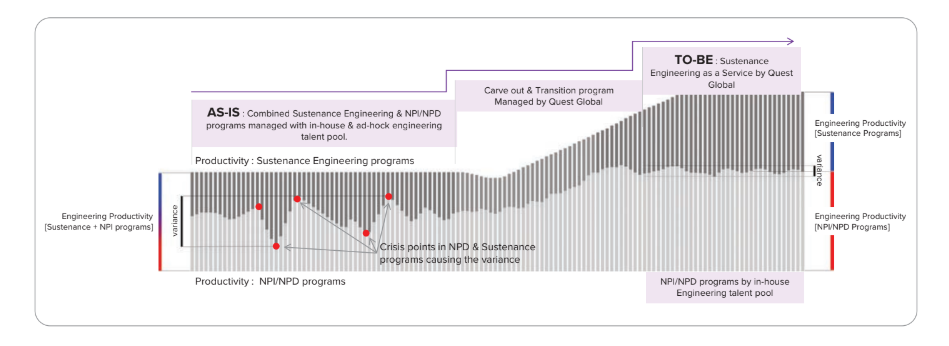
Assessment and recommendations:
We begin by closely analyzing engineering operations. This methodical approach unveils potential benefits and areas for improvement, offering a comprehensive view of where strategic adjustments can be made. This isn’t just about finding flaws; it’s about uncovering opportunities.
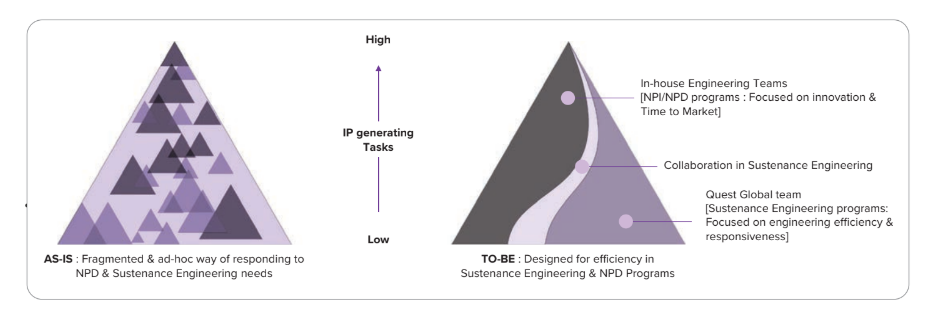
Risk-benefit analysis:
Decision-making in the world of MedTech requires careful consideration. Our expertise shines in clustering programs along a risk/benefit matrix, allowing for more informed and targeted decisions. Our aim is to align with your business’s long-term goals, whether they involve risk mitigation, growth, or innovation.
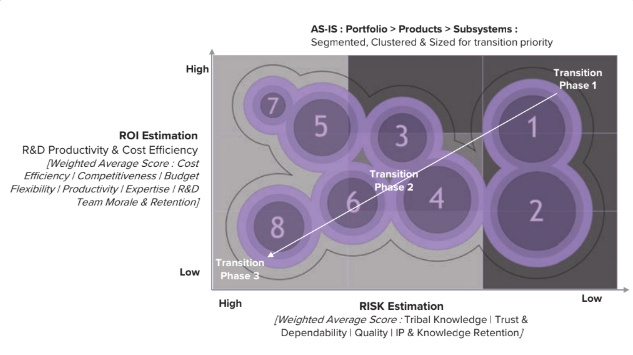
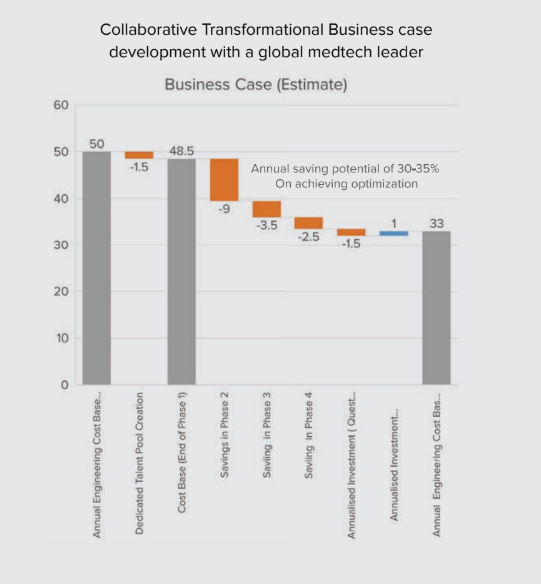
Case study
Knowledge retention and reuse Productivity improvement Offload functions and products Other industries practice leverage Offload functions and productsCo-development of the business case: Benefit over partnership tenure
Dedicated sustenance engineering team










Pratheep P.S
Pratheep PS is the Vertical Solutions Partner - Medical Device & Healthcare at Quest Global. With a background in biomedical engineering, he has extensive experience in launching and sustaining over 15 medical devices from concept to market. At Quest Global, Pratheep focuses on systems engineering, clinical areas, and regulatory compliance, ensuring the successful execution of medical device programs. His expertise in product strategy, risk management, NPI road mapping, and sustenance engineering makes him a key player in driving innovation and maintaining high standards in the medical device and healthcare sector. Pratheep has previously worked for Larsen and Turbo for over twelve years.
Frequently Asked Questions
Sustenance engineering in MedTech serves as a strategic approach to balance the dual demands of continuous innovation and the maintenance of legacy product lines. It ensures that existing products remain functional, competitive, and compliant with evolving regulations while simultaneously fostering innovation. By focusing on gradual improvements and maintaining standard functionality rather than radical changes, sustenance engineering helps MedTech companies manage obsolete components, implement design upgrades, and ensure regulatory compliance. This approach enables the seamless integration of legacy and new products, maximizing product lifecycle efficiency and supporting long-term corporate growth.
Outsourcing sustenance engineering offers MedTech companies several strategic advantages, including cost efficiency, competitiveness, and access to specialized expertise. External partners often have the necessary resources and specialized knowledge to maintain legacy products at lower costs, allowing companies to focus on core competencies and innovation. Outsourcing can also improve productivity by freeing up internal resources for new product development. Additionally, it provides budget flexibility with scalable resources based on project needs. By partnering with experts, companies can navigate complex regulatory environments and maintain high-quality standards, ultimately enhancing their market position.
Quest Global offers over two decades of experience in sustenance engineering, providing MedTech companies with tailored solutions that enhance product lifecycle management. By conducting thorough assessments and risk-benefit analyses, Quest Global identifies areas for strategic improvement and aligns solutions with clients’ long-term goals. Our dedicated sustenance engineering teams focus on productivity improvements, knowledge retention, and execution excellence. With a comprehensive service model, Quest Global supports lifecycle management and innovation, liberating clients’ engineers for new product development and ensuring a competitive edge in the market.
Sustenance engineering is pivotal for maximizing ROI in MedTech due to its ability to extend the lifespan and relevance of existing products. The sector is characterized by lengthy R&D cycles and significant upfront investments. Sustenance engineering allows companies to recoup these costs by offering extended support and incremental upgrades for current products. This strategy appeals to budget-conscious healthcare providers and influences procurement decisions by offering reliable performance at reduced prices. It provides a balanced approach between innovation and cost-efficiency, ensuring sustained profitability and competitive advantage.
Offshoring sustenance engineering in the MedTech industry presents challenges such as maintaining quality, ensuring intellectual property protection, and facilitating knowledge transfer. To mitigate these issues, companies should establish clear communication and trust with partners, replicate stringent quality control protocols, and implement robust legal frameworks for IP protection. Detailed documentation and ongoing collaboration are essential for transferring specialized knowledge without losing critical expertise. Selecting a mature partner with a proven track record in the industry can guide companies through these challenges, ensuring a harmonious and productive collaboration.